Mortgage and Finance Brokers
Green home loans: rewards for energy efficiency
What is a green home loan?
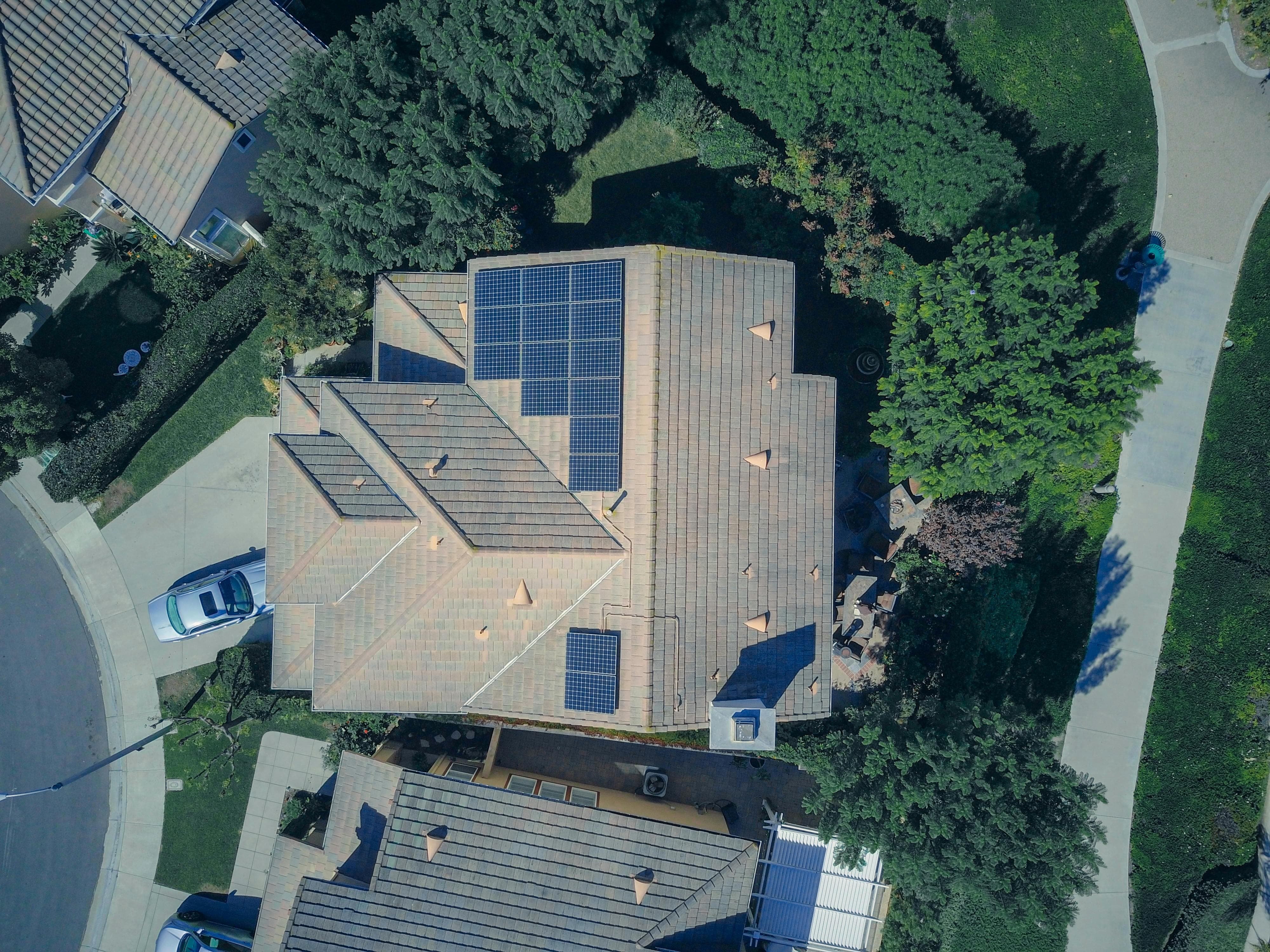
A Green Home Loan is a type of mortgage or loan product designed to encourage the adoption of energy-efficient and environmentally friendly practices in homes. These loans often come with lower interest rates, cashback incentives, or other rewards for buyers and homeowners who meet certain energy-efficiency criteria. These criteria may include purchasing an energy-efficient home or upgrading an existing property to reduce its environmental impact.
Green home loans are part of a broader initiative to promote sustainable building practices and energy conservation, and they offer homeowners an opportunity to lower both their environmental impact and their monthly utility bills.
How do green home loans work?
Green home loans typically function in much the same way as traditional mortgages, but they offer specific incentives tied to the sustainability of the property. These incentives can vary depending on the lender, but common benefits include:
- Lower interest rates: Lenders may offer reduced rates to borrowers who meet certain energy-efficiency standards.
- Cashback offers: Some lenders offer cashback to help cover the cost of energy-efficient home improvements.
- Flexible loan terms: Green home loans may come with more flexible terms, such as lower fees for making energy-efficient upgrades to your property.
- Discounted insurance premiums: Some lenders offer discounted insurance premiums for homes that meet green building standards.
How to qualify for a green home loan
To qualify for a green home loan, homeowners generally need to meet specific criteria related to energy efficiency. The standards can vary from lender to lender but may include:
- Energy Star certification: Homes that have an official rating for energy efficiency, such as those with Energy Star certification, may be eligible.
- Minimum sustainability ratings: Some lenders require a home to meet a minimum sustainability rating, such as a 6-star rating under the Nationwide House Energy Rating Scheme (NatHERS) in Australia.
- Energy-efficient upgrades: If you are refinancing, you may be able to qualify by making environmentally conscious upgrades, like installing solar panels, energy-efficient heating and cooling systems, or better insulation.
Lenders may also ask for supporting documents, such as an energy performance certificate, to verify that the home meets the required sustainability standards.
Examples of green home loans from major Australian lenders
1. Commonwealth Bank (CBA) - Green Home Loan
Commonwealth Bank offers a Green Home Loan for eligible buyers or homeowners purchasing energy-efficient homes or refinancing existing loans for homes with energy-efficient features. To qualify, the property must have a minimum 6-star NatHERS rating or be certified under the Green Building Council of Australia (GBCA).
Key benefits:
- Interest rate discounts: CBA offers a discount on the standard variable rate for borrowers who meet the energy efficiency criteria.
- Green building certification: Properties that hold an official green certification (such as 5 or 6 stars) are eligible for a green loan.
- Environmental impact: Aimed at reducing the environmental footprint of homes while also providing financial savings on interest.
2. Westpac - Low Rate Green Home Loan
Westpac provides a Low Rate Green Home Loan designed for new homebuyers or existing homeowners purchasing or refinancing homes with energy-efficient features.
Key benefits:
- Interest rate discounts: Borrowers can access a lower interest rate on their loan, reducing the overall cost of borrowing.
- Energy efficiency: Eligible homes must meet a minimum 6-star energy rating or be registered under the GBCA's Green Star rating.
- No application fee: There are often no application fees for borrowers purchasing or refinancing homes that meet energy-efficient criteria.
Westpac also allows customers to use their Green Loan to fund energy-saving improvements to existing homes, such as solar panels or insulation.
3. ANZ - Green Home Loan
ANZ's Green Home Loan rewards customers who purchase homes with energy-efficient features or refinance existing homes that meet specific environmental standards. To qualify for the Green Home Loan, properties must have a 6-star energy efficiency rating or higher under NatHERS, or meet other green building certification criteria.
Key benefits:
- Discounted interest rates: ANZ offers a discount on the standard variable rate for green homes.
- Green improvements financing: ANZ’s loan can be used to finance energy-efficient improvements, including the installation of solar panels and other green upgrades.
- Upfront rewards: Some borrowers may receive cashback offers to help fund energy-efficient improvements.
4. NAB - Green Home Loan
National Australia Bank (NAB) offers a Green Home Loan for buyers or owners of energy-efficient homes. NAB is committed to financing sustainable building projects and helping homeowners make eco-friendly upgrades.
Key benefits:
- Lower interest rates: NAB offers a discount on interest rates for eligible green properties.
- Minimum 6-star rating: Homes must meet the minimum 6-star energy rating under NatHERS or be Green Star certified to qualify.
- Energy-efficient upgrades: NAB supports the funding of energy-efficient upgrades, such as solar power systems or energy-efficient heating and cooling systems.
Benefits of green home loans
1. Financial savings
One of the primary benefits of green home loans is the potential for financial savings over the long term. Not only do these loans often come with lower interest rates, but homes that are energy-efficient typically lead to lower utility bills, saving you money on energy costs.
2. Environmental impact
By investing in energy-efficient homes or upgrades, you are contributing to reducing carbon emissions and helping the environment. Homes that are more energy-efficient use less electricity, require fewer resources, and produce fewer greenhouse gases.
3. Future-proofing your property
Energy-efficient homes tend to hold their value better and are in high demand, especially as more buyers are looking for properties that align with sustainable living. By making your home more energy-efficient, you are future-proofing your investment.
4. Government support
Governments, both state and federal, often provide additional incentives or rebates for homeowners who invest in energy-efficient properties or upgrades. These financial incentives can further reduce the cost of buying or improving your home.
Green home loans are a win-win situation for homeowners who want to invest in energy-efficient properties. By providing financial rewards for adopting sustainable practices, these loans help you save money while contributing to a more eco-friendly world. With major Australian lenders such as Commonwealth Bank, Westpac, ANZ, and NAB offering green home loans, it’s easier than ever to finance your dream home while reducing your environmental footprint.
If you’re looking to buy or refinance a property that meets sustainability standards, a green home loan might be the right choice for you. Talk to your lender about the green loan options available and start reaping the rewards of energy efficiency today!
For many homeowners, paying off their mortgage as quickly as possible is a top financial goal. However, there are strategies available that could help you manage your finances more efficiently while still maintaining your home loan, one of which is using an offset account. In some cases, it may actually make more sense to offset your home loan rather than paying it off completely. In this article, we’ll explore why you might not want to pay off your home loan early and why offsetting your loan could be a smarter financial strategy for certain situations.


House hunting is an exciting yet complex process, often filled with anticipation as you search for the perfect home. However, it’s important to look beyond the aesthetics and make sure the property meets your needs both now and in the future. There are key aspects to consider during this process, such as the property’s structural integrity, potential for pests, and the surrounding environment.
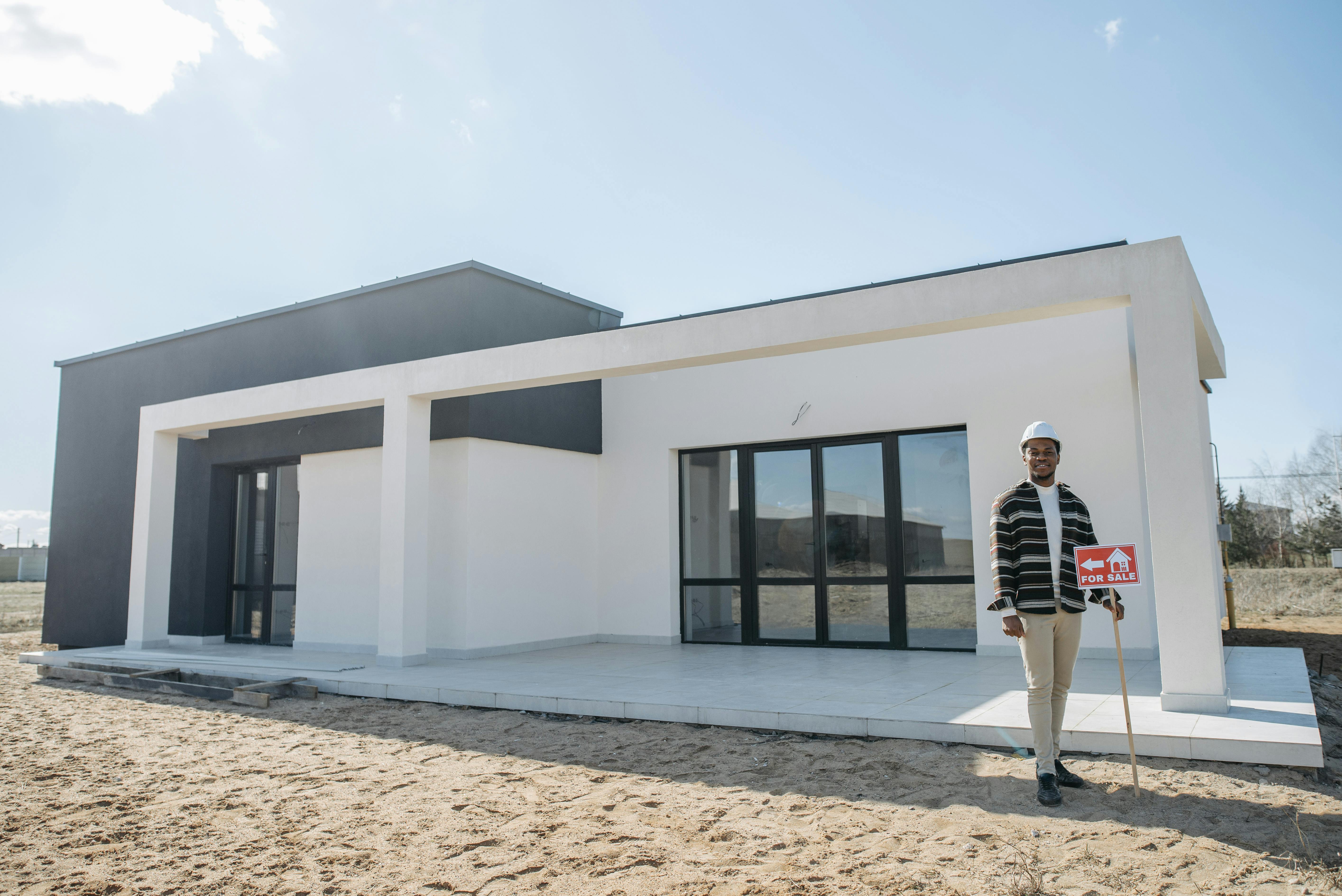
Buying vacant land or a house and land package offers an exciting opportunity to design and build a home tailored to your needs. However, there are many important factors to consider before making your decision. Whether starting from scratch with raw land or opting for a package deal with a developer, being well-informed is crucial to avoiding costly surprises. Additionally, if you plan to build on the land you've purchased, understanding the steps involved and potential challenges is essential.