Mortgage and Finance Brokers
Low doc loans in Australia: flexible lending options when traditional banks say no

What are low doc loans?
Low doc loans are a type of mortgage or personal loan designed for borrowers who may not be able to provide the usual paperwork required for a standard loan application, such as full financial statements, PAYG payslips, or recent tax returns.
Instead, lenders assess eligibility using alternative documentation such as:
- Business activity statements (BAS)
- Accountant’s letters
- Bank statements
- An income declaration form signed by the borrower
These loans are particularly popular with self-employed individuals whose income may be irregular or not fully captured by standard reporting.
Who uses low doc loans?
Low doc loans serve a broad spectrum of borrowers who typically fall outside traditional lending criteria, including:
- Self-employed individuals who have been in business for a short time
- Contractors and freelancers with variable income streams
- Small business owners without updated tax returns
- Investors managing multiple properties with complex income structures
- Borrowers recovering from past credit issues
For these groups, low doc loans provide an opportunity to access finance without waiting months for paperwork to be finalised.
Advantages of low doc loans
- Flexible income verification
The primary benefit of a low doc loan is the relaxed documentation requirement. This allows borrowers to demonstrate their ability to repay using alternative evidence of income. - Faster approval times
With fewer documents to assess, low doc loans can often be processed more quickly than traditional loans – a critical advantage in competitive property markets. - Tailored to non-conventional borrowers
Many low doc lenders specialise in understanding the unique financial situations of self-employed or credit-challenged borrowers, offering more personalised service and tailored solutions.
Things to watch out for
Despite their benefits, low doc loans do come with some caveats:
- Higher interest rates
Because these loans represent a higher risk to lenders, interest rates are usually higher than standard home loans (typically 0.5%–2% above standard loans). - Larger deposits required
Most low doc loans require a higher deposit – commonly around 20–30% – to offset the risk. - Lender’s mortgage insurance (LMI)
If your deposit is below a certain threshold, LMI may apply, which increases overall borrowing costs. - Limited lender options
Not all banks offer low doc loans. Most are provided by specialist lenders or non-bank financial institutions.
Is a low doc loan right for you?
Before applying for a low doc loan, it’s important to weigh your options carefully. Ask yourself:
- Can you afford higher repayments?
- Do you have sufficient documentation to satisfy the lender’s criteria?
- Are you using the loan for a sound investment or necessary expenditure?
A qualified mortgage broker or financial adviser can help determine if a low doc loan aligns with your financial goals and can help you navigate the various lender requirements.
Low doc loans are not a loophole or a last resort—they are a practical solution for capable borrowers who simply operate outside the standard financial box. In a world where the traditional 9-to-5 job is no longer the norm for everyone, flexible lending solutions like low doc loans play a vital role in ensuring that all Australians have access to the finance they need to grow, invest, and thrive.

For many homeowners, paying off their mortgage as quickly as possible is a top financial goal. However, there are strategies available that could help you manage your finances more efficiently while still maintaining your home loan, one of which is using an offset account. In some cases, it may actually make more sense to offset your home loan rather than paying it off completely. In this article, we’ll explore why you might not want to pay off your home loan early and why offsetting your loan could be a smarter financial strategy for certain situations.


House hunting is an exciting yet complex process, often filled with anticipation as you search for the perfect home. However, it’s important to look beyond the aesthetics and make sure the property meets your needs both now and in the future. There are key aspects to consider during this process, such as the property’s structural integrity, potential for pests, and the surrounding environment.
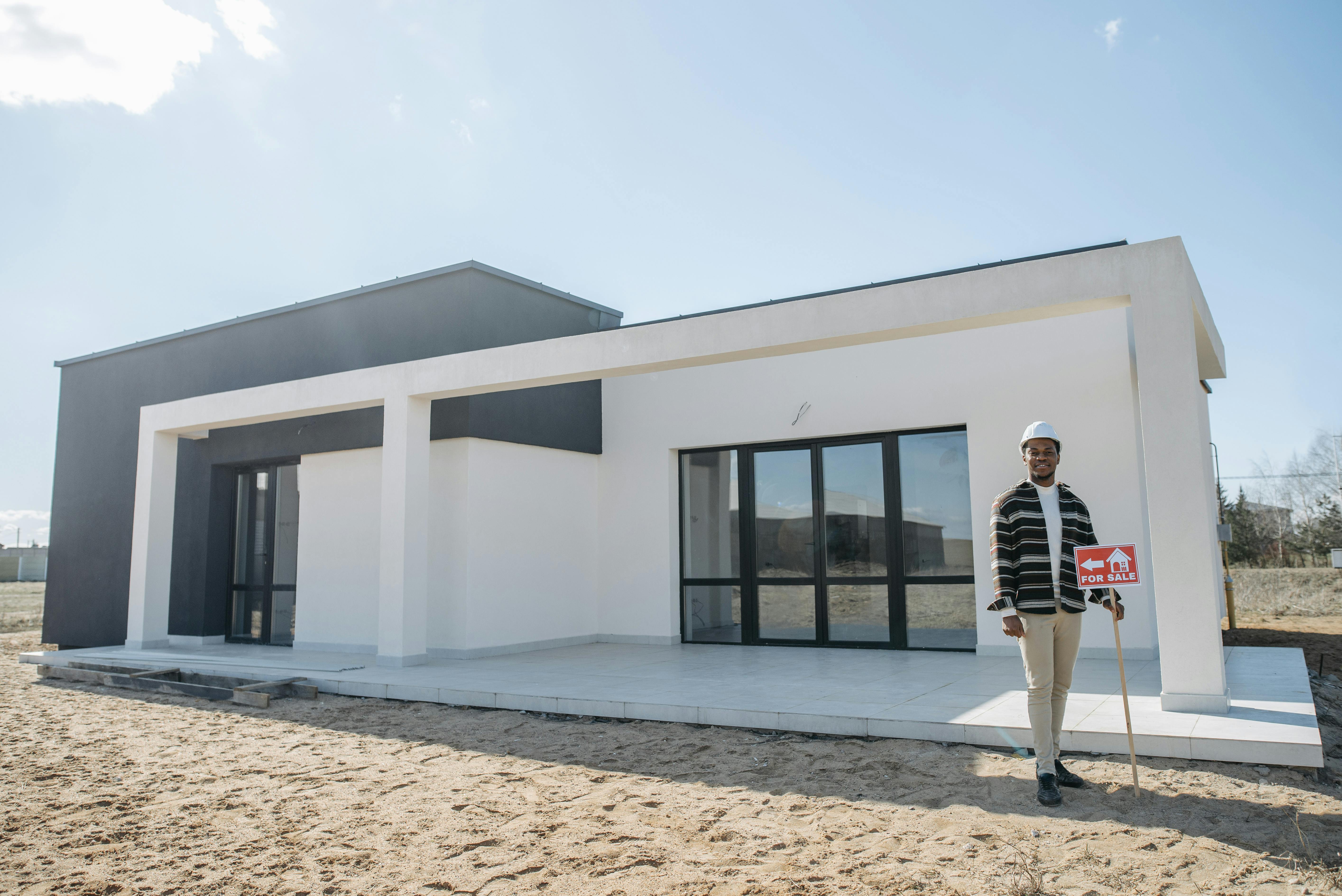
Buying vacant land or a house and land package offers an exciting opportunity to design and build a home tailored to your needs. However, there are many important factors to consider before making your decision. Whether starting from scratch with raw land or opting for a package deal with a developer, being well-informed is crucial to avoiding costly surprises. Additionally, if you plan to build on the land you've purchased, understanding the steps involved and potential challenges is essential.