Mortgage and Finance Brokers
Money talks (we translate).

When you're buying land with the intention of building your first home, there are many more steps involved than simply purchasing an existing house. Understanding how house plans, building contracts, and the construction loan process work is essential to avoid unexpected delays or costs. Here's a detailed overview to guide you through the process.


Starting a business is an exciting venture, but one of the biggest challenges is securing the funding you need to get off the ground. While many entrepreneurs assume that they need to have an established business history before being eligible for a loan, that’s not always the case. In fact, there are several options available for individuals looking to get a business loan before starting a business, including start-up loans, personal loans, secured business loans, government grants, and other financial solutions. If you’re yet to start a business or don’t have 12 months of operational history, you may still be able to secure financing by providing key documentation, such as cash flow projections, a business plan, and other supporting documents. Here’s an overview of some loan options and requirements for those in the early stages of business development.

Managing multiple debts can be stressful, especially when they come with different due dates, interest rates, and repayment amounts. Debt consolidation is a financial strategy that allows you to combine several debts—such as credit cards, personal loans, or store cards—into a single loan. This simplifies your finances and can potentially reduce your monthly repayments, but it’s important to understand how it works and whether it suits your situation.

As a next home buyer, deciding whether to buy your new home before selling your existing one—or vice versa—can significantly impact your finances and stress levels. Each option has its advantages and challenges, and bridging loans can play a crucial role in bridging the gap between the two.

Buying your first home is an exciting step—but when you choose to buy land and build, the process is far more complex than simply buying an established house. While government schemes like the First Home Guarantee, First Home Owner Grant (FHOG), and stamp duty concessions aim to support first home buyers, there are strict conditions attached. If you don’t have a family guarantor, securing the right type of finance and accessing these schemes can be especially difficult.

When applying for a home loan, borrowers often face a crucial decision: should they work with a mortgage broker or go directly to a bank? Each option has its advantages and potential drawbacks, and understanding the differences can help you make an informed choice. Additionally, many borrowers use online serviceability calculators to estimate their borrowing capacity before applying for a loan, but how do these compare to a broker’s serviceability calculator? This article explores both topics to help you navigate the mortgage process effectively.
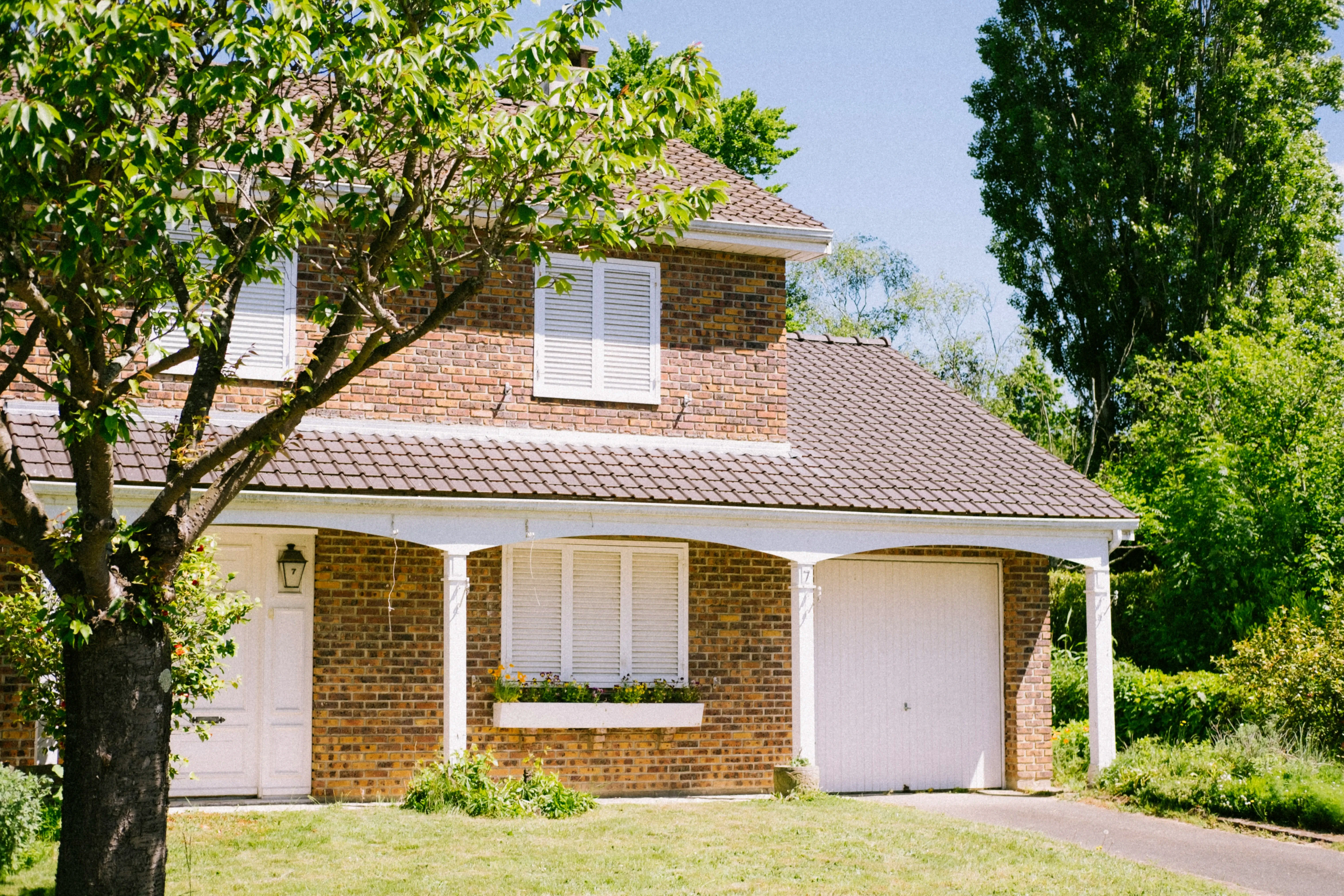
Let's say you find your dream home and want to buy it, but you haven't sold your current property yet. You can apply for a bridging loan to cover the purchase price of the new property until you sell your existing property.
Paying off your home loan ahead of schedule can save you thousands in interest and provide financial freedom. Whether you’re just starting your mortgage or well into repayments, these proven strategies can help you reach your goal faster.