
Mortgage and Finance Brokers
Bridging loans: the ins and outs
What is a bridging loan?
Let's say you find your dream home and want to buy it, but you haven't sold your current property yet. You can apply for a bridging loan to cover the purchase price of the new property until you sell your existing property. This loan is secured against both the current property being sold and the new property being purchased.
Once approved, you can access the funds from the bridging loan to complete the purchase of the new property. This allows you to move into your new home without waiting for the sale of your current property to finalize. After moving into your new home, you can focus on selling your existing property. Once the sale is completed, the proceeds from the sale are used to repay the bridging loan.
Once the bridging loan is repaid, any remaining funds (after fees and charges) are returned to you. If there is a shortfall between the sale proceeds and the amount owed on the bridging loan, you'll need to cover the difference.
Features of bridging loans:
- Short term duration: Bridging loans typically have a short duration, usually ranging from a few weeks to up to 12 months, although the exact terms can vary depending on the lender and the specific circumstances.
- Quick access to funds: They are designed to provide quick access to funds, making them suitable for situations where a property purchase needs to be completed urgently, or where conventional mortgage financing may not be immediately available.
- High interest rate: Bridging loans often come with higher interest rates compared to traditional mortgage loans. The higher rates reflect the short-term nature of the loan and the perceived higher risk to the lender.
- Flexible repayment options: Borrowers may have the option to make interest-only payments during the term of the loan, with the principal amount typically repaid in full at the end of the term when longer-term financing is secured or the existing property is sold.
- Secured loans: Bridging loans are usually secured against the property being purchased or against other assets owned by the borrower. The property serves as collateral to mitigate the lender's risk.
An example:
Let's say you currently own a property valued at $600,000, and you still owe $300,000 on your mortgage. You've found a new property you want to buy for $800,000.
- Equity in existing property: Your equity in the existing property is $300,000 ($600,000 - $300,000).
- Purchase price of new property: The purchase price of the new property is $800,000.
- Bridging loan amount: To bridge the gap between buying the new property and selling your existing one, you'll need a bridging loan to cover the difference in purchase prices and any associated costs. Let's say the bridging loan covers 80% of the value of the new property, which amounts to $640,000 ($800,000 * 0.80).
- Total funds required: You'll need a total of $940,000 to purchase the new property and cover associated costs ($800,000 purchase price + $640,000 bridging loan - $300,000 equity in existing property).
- Loan repayment: Once you sell your existing property, you'll use the proceeds from the sale to repay the bridging loan. Let's say you sell your existing property for $620,000.
- Remaining loan balance: After selling your existing property, you'll have $320,000 ($620,000 sale proceeds - $300,000 remaining mortgage balance) remaining from the sale.
- Shortfall or surplus: If the proceeds from the sale are less than the bridging loan amount, you'll need to cover the shortfall. In this example, if the bridging loan was $640,000 and the sale proceeds were $620,000, there would be a $20,000 shortfall. However, if the sale proceeds exceed the bridging loan amount, you'll have a surplus, which could be used to reduce your debt or cover other expenses.
This is a simplified example, and actual figures may vary based on factors such as interest rates, loan terms, property values, and associated costs.
Are you eligible for a bridging loan?
To qualify for a bridging loan in Australia, several factors are considered by lenders. They assess your equity in the existing property, ability to repay the loan, and the saleability of your current property. Additionally, they review the details of the new property, your credit history, and the loan-to-value ratio. Affordability is crucial, with lenders analyzing your income and expenses to ensure you can manage the loan repayments. Each lender may have specific requirements, so it's advisable to compare options and consult with a mortgage broker for guidance.
Who are bridging loans for?
Bridging loans can be a useful financial tool for anyone facing a temporary cash flow shortfall between property transactions. However, it's essential to carefully consider the associated costs and risks before opting for this type of financing. Consulting with a financial advisor or mortgage broker can help determine if a bridging loan is the right option for your specific circumstances.

For many homeowners, paying off their mortgage as quickly as possible is a top financial goal. However, there are strategies available that could help you manage your finances more efficiently while still maintaining your home loan, one of which is using an offset account. In some cases, it may actually make more sense to offset your home loan rather than paying it off completely. In this article, we’ll explore why you might not want to pay off your home loan early and why offsetting your loan could be a smarter financial strategy for certain situations.


House hunting is an exciting yet complex process, often filled with anticipation as you search for the perfect home. However, it’s important to look beyond the aesthetics and make sure the property meets your needs both now and in the future. There are key aspects to consider during this process, such as the property’s structural integrity, potential for pests, and the surrounding environment.
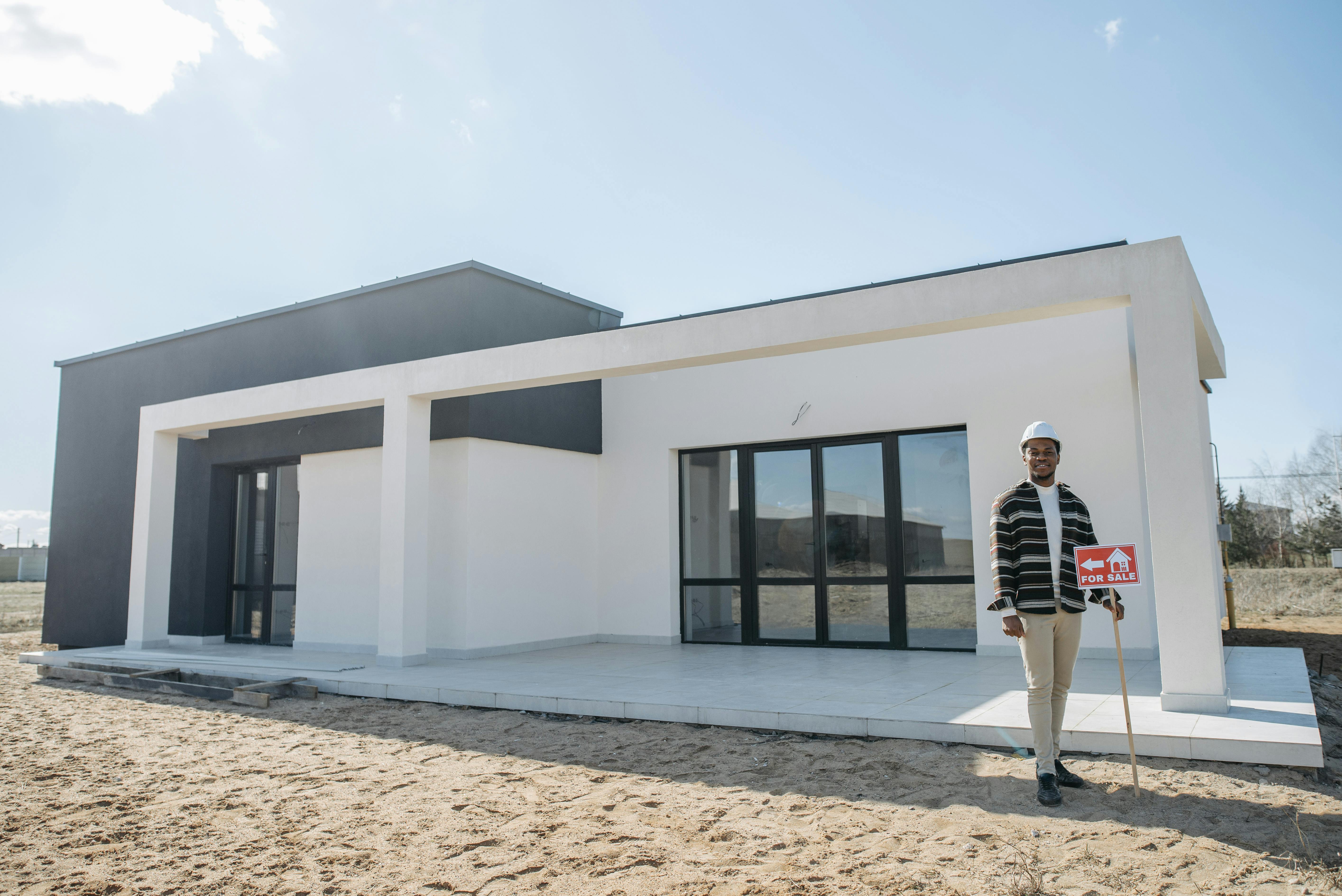
Buying vacant land or a house and land package offers an exciting opportunity to design and build a home tailored to your needs. However, there are many important factors to consider before making your decision. Whether starting from scratch with raw land or opting for a package deal with a developer, being well-informed is crucial to avoiding costly surprises. Additionally, if you plan to build on the land you've purchased, understanding the steps involved and potential challenges is essential.