Mortgage and Finance Brokers
Buying before selling vs selling before buying

Selling first
Selling your current home before buying a new one offers clarity and reduces financial risks. It’s a good option for buyers in unpredictable markets or those with a strict budget who want to avoid financial stress.
Pros:
- Certainty of funds: Knowing the exact sale price of your existing home gives you a clear budget for your next purchase.
- Avoid overstretching: You won’t risk owning two properties at once, which could strain your finances.
- Stronger buying position: As a cashed-up buyer, you may have more leverage in negotiations.
Cons:
- Temporary housing: You might need to find short-term accommodation if you haven’t secured a new home before selling.
- Market timing risk: Property prices might increase after you sell, making your next home more expensive.
Buying first
Purchasing your next home before selling your current one allows for a seamless transition and less disruption. It’s a good option for buyers in competitive markets where desirable properties sell quickly, or those with strong cash reserves.
Pros:
- No interim housing: You can move directly from your old home to your new one.
- Flexibility: You can take your time selling your existing home, potentially getting a better price.
Cons:
- Financial pressure: You may need to manage two mortgages temporarily, which could stretch your budget.
- Market volatility risk: If your current home takes longer to sell or sells for less than expected, you could face financial strain.
Bridging loans
A bridging loan is a short-term financing option that helps cover the gap between buying a new home and selling your existing one. It’s a good option for buyers with significant equity in their current home and confidence that it will sell within a reasonable timeframe.
How it works:
- You secure a loan based on the equity in your current home.
- The loan is used to fund your next home purchase.
- The loan is repaid once your existing home is sold.
Pros:
- Flexibility: Allows you to buy your dream home without waiting to sell your current property.
- Avoid missing out: Ensures you don’t lose an ideal property in a fast-moving market.
Cons:
- Higher costs: Bridging loans often come with higher interest rates than standard mortgages.
- Repayment pressure: If your home takes longer to sell, you could face additional financial stress.
Key factors to consider
- Market conditions: In a seller’s market, selling first might give you more negotiating power. In a buyer’s market, buying first may be better.
- Financial situation: Evaluate your cash flow, savings, and ability to manage temporary financial overlap.
- Risk appetite: Consider your comfort level with uncertainty and potential financial strain.
Consulting a mortgage broker or financial advisor can help you navigate these options and secure the best financing solution for your circumstances. Bridging loans, in particular, require careful assessment to ensure they align with your goals and risk tolerance. By carefully weighing your options, you can make a confident decision that aligns with your financial goals and lifestyle needs.

For many homeowners, paying off their mortgage as quickly as possible is a top financial goal. However, there are strategies available that could help you manage your finances more efficiently while still maintaining your home loan, one of which is using an offset account. In some cases, it may actually make more sense to offset your home loan rather than paying it off completely. In this article, we’ll explore why you might not want to pay off your home loan early and why offsetting your loan could be a smarter financial strategy for certain situations.


House hunting is an exciting yet complex process, often filled with anticipation as you search for the perfect home. However, it’s important to look beyond the aesthetics and make sure the property meets your needs both now and in the future. There are key aspects to consider during this process, such as the property’s structural integrity, potential for pests, and the surrounding environment.
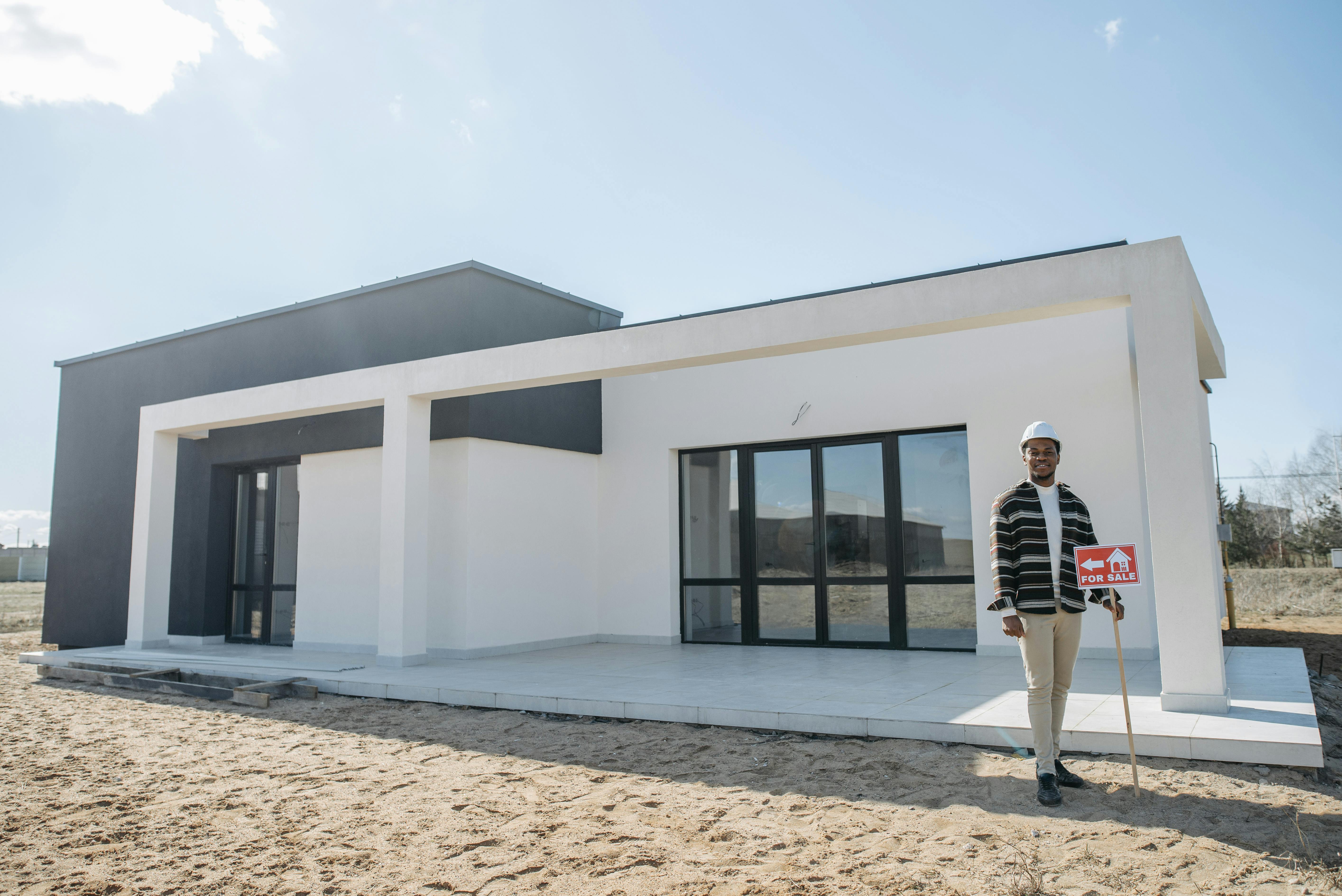
Buying vacant land or a house and land package offers an exciting opportunity to design and build a home tailored to your needs. However, there are many important factors to consider before making your decision. Whether starting from scratch with raw land or opting for a package deal with a developer, being well-informed is crucial to avoiding costly surprises. Additionally, if you plan to build on the land you've purchased, understanding the steps involved and potential challenges is essential.