
Mortgage and Finance Brokers
Buying land as a first home buyer: how house plans and building contracts work

Can you get a fixed-price building contract after buying land?
Yes, you can—but it comes with risks and potential limitations.
If you purchase land first and wait to get a fixed-price building contract later:
- You may not be eligible for government schemes like the First Home Guarantee or First Home Owner Grant (FHOG), because they often require both contracts upfront or within strict timeframes (e.g. build must start within 12 months).
- Lenders may not approve a construction loan later unless:
- You still meet income/deposit requirements;
- The land hasn't significantly changed in value;
- You haven’t used your borrowing capacity in the meantime.
Also, if construction costs rise (which they often do), you might not be able to afford to build on the land later at all.
This is why buying land without having a builder and contract lined up is considered risky—especially if you don’t have a guarantor or large savings buffer.
Can you get a fixed-price building contract before buying land?
Technically, yes—but only under specific circumstances.
You can get a fixed-price building contract before purchasing land if:
- You’ve already selected a specific block of land, and
- You’ve worked with a builder who has surveyed that block, assessed site conditions (like soil type, slope, bushfire risk, etc.), and produced:
- Detailed building plans;
- Inclusions list;
- Final pricing (which includes site costs, connection fees, and permits).
This is common in:
- House and land packages, where a developer and builder work together;
- Greenfield estates, where builders are familiar with local land parcels;
- Cases where you're buying land subject to finance and pre-building conditions.
However, you can’t get a genuine fixed-price building contract for just any block unless it’s been fully assessed—because:
- Soil type (via a geotechnical report),
- Service connections,
- Site slope or access challenges
How do you get a house plan?
There are two main ways to get house plans depending on your approach:
1. Choose a builder's standard design
This is the easiest and most common option for first home buyers.
Steps:
- Visit display homes or builder websites (e.g. Metricon, Simonds, Henley, etc.).
- Select a home design you like.
- Choose a specific lot of land (or estate).
- The builder will customise the chosen plan to suit your land size, orientation, and any estate restrictions.
- Once you're happy, the builder will:
- Provide you a preliminary quote,
- Conduct site investigations (like soil testing and contour survey),
- Finalise site-specific costs,
- Prepare a fixed price building contract.
This is often bundled into a house and land package, which simplifies everything.
2. Work with a custom builder or architect
If you want a unique home design or are working with a challenging block (e.g. sloping or narrow), you’ll need:
- A draftsperson or architect to design custom plans,
- Then, a builder to quote on those plans and provide a fixed-price contract.
This is more time-consuming and costly up-front (due to design fees), but gives greater flexibility.
What’s included in a fixed-price building contract?
- Site costs
- Included: Basic earthworks, slab type (M or H class), retaining walls if minor.
- Potential extras: Rock removal, cut & fill if unexpected, major retaining walls.
- Soil and survey reports
- Included: Soil test, contour survey (done during tender/prelim stage).
- Potential extras: Special reports (e.g. bushfire, flood, wind rating upgrades).
- House structure
- Included: Chosen plan (external walls, roof, windows, rooms, layout).
- Potential extras: Changes to layout or design after contract.
- Standard inclusions
- Included: Basic kitchen, bathrooms, flooring, doors, paint, electrical & plumbing.
- Potential extras: Upgraded inclusions (stone benchtops, ducted air-con, extra lights etc.).
- Appliances
- Included: Builder’s standard appliances (oven, cooktop, rangehood).
- Potential extras: Premium appliances, dishwasher, upgraded brands.
- Electrical layout
- Included: Basic power points, light fittings, smoke alarms.
- Potential extras: Extra powerpoints, downlights, data points, security systems.
- Plumbing fixtures
- Included: Standard taps, toilets, shower heads, sinks.
- Potential extras: Premium tapware, freestanding baths, dual shower heads.
- Energy and safety compliance
- Included: Basic energy rating compliance, smoke detectors.
- Potential extras: Solar panels, higher energy ratings (required in VIC from 2023/2024).
- Driveway and landscaping
- Included: Often excluded! Some builders include a basic concrete driveway only.
- Potential extras: Landscaping, fencing, clothesline, mailbox, letterbox.
- Council fees and permits
- Included: Planning permit, building permit, water & power connections.
- Potential extras: NBN connection, sewer point relocation, crossovers.
- Builders margin
- Included: Fixed within contract if it's a true fixed-price.
- Potential extras: Can increase if the contract is cost-plus or has PC (provisional cost) items.
Before signing anything, always request:
- A detailed inclusions list
- A specifications sheet
- Confirmation of whether the contract is truly fixed-price (not cost-plus or subject to variations)
- A final tender document that includes site costs based on reports
An example of associated costs for buying land and building a house
Overview
- Total budget/loan: $650,000
- Land cost (example): $300,000
- Build cost: $350,000
- Loan: 95% LVR (so you contribute 5% deposit, rest borrowed)
Land purchase costs
- Purchase price: $300,000
- Deposit: $15,000
- Stamp duty (Victoria): $0 - waived for first home buyers.
- Transfer fees: ~$1,500
- Conveyancing fees: $1,200 – $2,000
- Loan fees: ~$500 – $1,000
- Total cost: ~$18,000 – $19,500 upfront
Construction costs
- Build contract price: $350,000
- Site costs: $15,000 – $25,000
- Upgrades (fixtures and finishes): $10,000 – $30,000+
- Driveway and landscaping: $10,000 – $20,000
- Fencing, letterbox, clothesline: $2,000 – $5,000
- Window furnishings: $3,000 – $7,000
- Appliances (if not included): $2,000 – $5,000
- Council fees & inspections: ~$2,000 – $4,000
- Total cost: ~$385,000 – $445,000
Loan related costs
- Loan establishment fees: ~$600 – $1,000
- Progress payments: $0 upfront – paid in stages
- Interest during construction: $6,000 – $10,000 (varies)
- Total cost: $650,000
Summary
- Land purchase: $300,000
- Construction: $385,000 – $445,000
- Other upfront / legal costs: $25,000 – $35,000
- Total cost: $650,000 – $780,000
When do you apply for land and construction loans?
The process usually happens in two stages:
- Land loan (or combined loan pre-approval): Secured when you buy the land. You may only need to settle the land first.
- Construction loan: Approved separately once you provide:
- A signed fixed-price building contract
- House plans and specifications
- Builder’s insurance and licences
Most banks will package these into one loan product with progress payments made to the builder during construction.
How long do you have to build after buying land?
- In Victoria, you typically have 12 to 24 months after settlement to commence construction, depending on developer or lender requirements.
- First Home Owner Grant (FHOG) conditions may also require you to live in the completed home within 12 months of construction completion.
Always check developer contracts and bank timeframes to avoid breaching conditions.
While buying land and building a home gives you greater freedom and the chance to customise your first property, it also introduces more complexity, especially when it comes to planning, contracts, and financing. Understanding the steps—from selecting or designing house plans, securing a fixed-price contract, and managing progress payments—can help you stay in control and reduce the stress of unexpected costs. If you're unsure at any stage, engaging a building consultant or mortgage broker can provide additional peace of mind.
For many homeowners, paying off their mortgage as quickly as possible is a top financial goal. However, there are strategies available that could help you manage your finances more efficiently while still maintaining your home loan, one of which is using an offset account. In some cases, it may actually make more sense to offset your home loan rather than paying it off completely. In this article, we’ll explore why you might not want to pay off your home loan early and why offsetting your loan could be a smarter financial strategy for certain situations.


House hunting is an exciting yet complex process, often filled with anticipation as you search for the perfect home. However, it’s important to look beyond the aesthetics and make sure the property meets your needs both now and in the future. There are key aspects to consider during this process, such as the property’s structural integrity, potential for pests, and the surrounding environment.
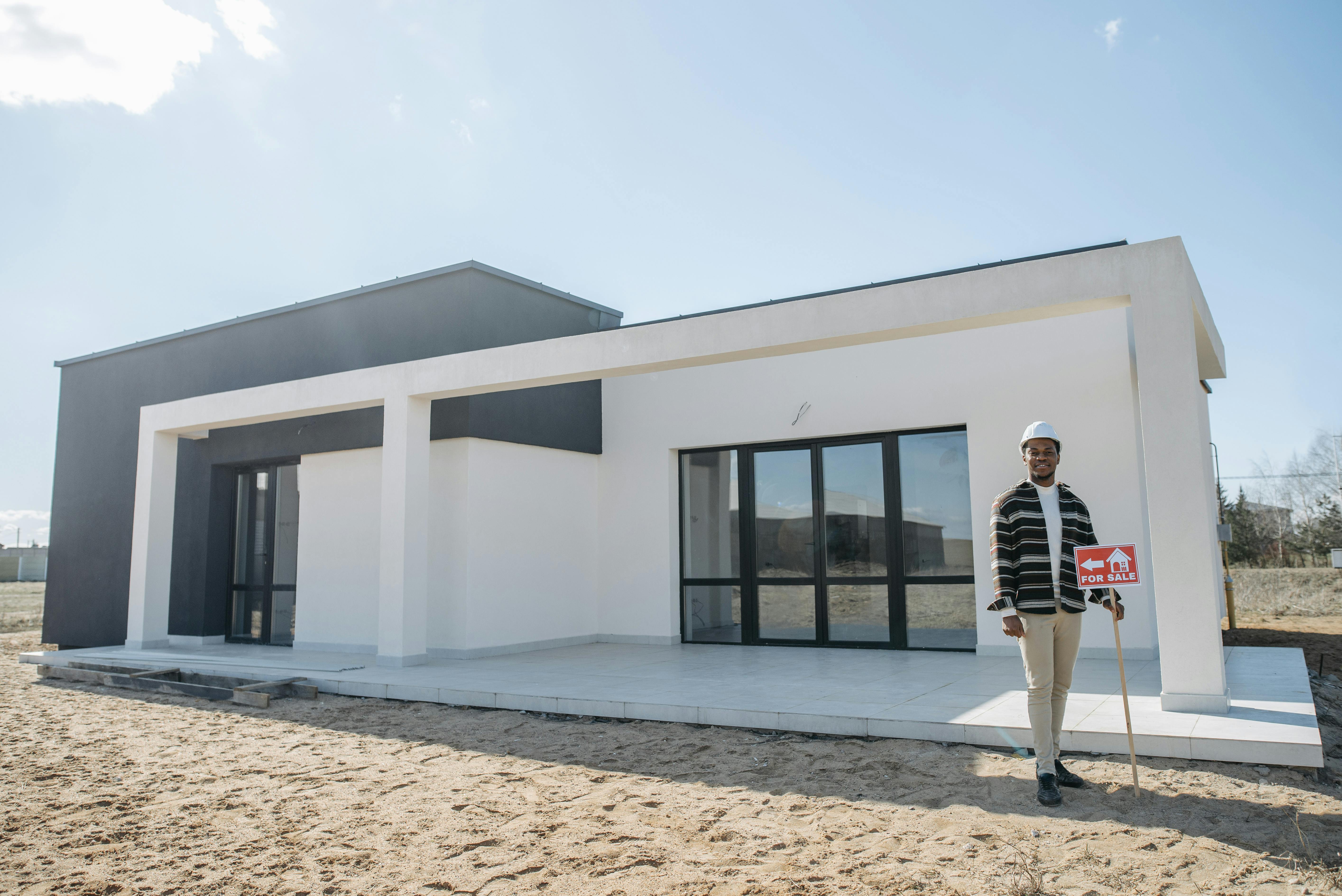
Buying vacant land or a house and land package offers an exciting opportunity to design and build a home tailored to your needs. However, there are many important factors to consider before making your decision. Whether starting from scratch with raw land or opting for a package deal with a developer, being well-informed is crucial to avoiding costly surprises. Additionally, if you plan to build on the land you've purchased, understanding the steps involved and potential challenges is essential.