Mortgage and Finance Brokers
Equipment loans vs leases: which one is better for your business?
When an equipment loan is better
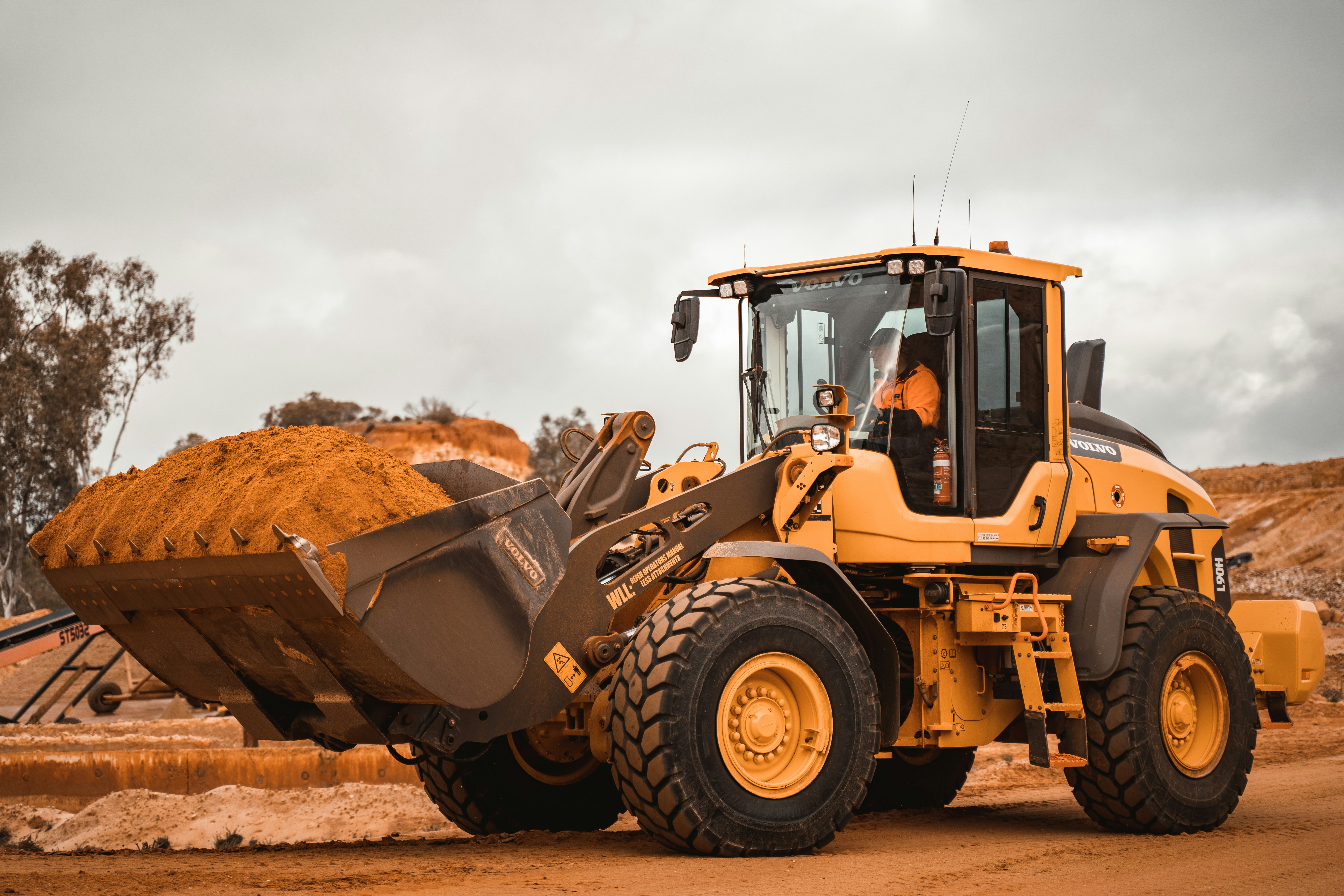
An equipment loan is basically like a car loan — you borrow money to buy the equipment, then pay it off in installments.
Pros:
- You own the equipment at the end of the loan.
- No ongoing lease payments once the loan is paid off.
- Can be cheaper overall if you use the equipment for many years.
- Can claim depreciation + interest as tax deductions.
- Ideal for equipment with a long lifespan (like vehicles or machinery).
Cons:
- Higher upfront costs (deposit + loan fees).
- Full responsibility for repairs and maintenance.
- Ties up capital that could be used to grow the business.
- Harder to upgrade if the equipment becomes outdated quickly.
When an equipment lease is better
Leasing is like renting — you pay monthly for the equipment without ever owning it (unless you choose to buy it at the end).
Pros:
- Lower upfront cost (good for cash flow).
- Easier to upgrade to newer models.
- Lease payments are 100% tax-deductible.
- Maintenance and repairs are often included.
- Good for equipment that becomes outdated quickly (tech, software, medical equipment).
- Easier to get approved than a loan (especially for new businesses).
Cons:
- You don't own the equipment.
- Can cost more over time.
- Locked into fixed payments even if you stop using the equipment.
- May have mileage limits or wear-and-tear clauses.
Which option is right for you?
- Vehicles & machinery → Loan
- Technology & IT → Lease
- Medical equipment → Lease
- Tools for short term projects → Lease
- Long term business growth assets → Loan
If you're looking for long-term ownership and want to minimise costs over time, an equipment loan is often the better choice. However, if you prefer lower upfront costs and the flexibility to upgrade regularly, an equipment lease may suit your business better.
Before making a decision, consider your business’s cash flow, how quickly the equipment might become outdated, and whether ownership is essential to your operations.

For many homeowners, paying off their mortgage as quickly as possible is a top financial goal. However, there are strategies available that could help you manage your finances more efficiently while still maintaining your home loan, one of which is using an offset account. In some cases, it may actually make more sense to offset your home loan rather than paying it off completely. In this article, we’ll explore why you might not want to pay off your home loan early and why offsetting your loan could be a smarter financial strategy for certain situations.


House hunting is an exciting yet complex process, often filled with anticipation as you search for the perfect home. However, it’s important to look beyond the aesthetics and make sure the property meets your needs both now and in the future. There are key aspects to consider during this process, such as the property’s structural integrity, potential for pests, and the surrounding environment.

Buying vacant land or a house and land package offers an exciting opportunity to design and build a home tailored to your needs. However, there are many important factors to consider before making your decision. Whether starting from scratch with raw land or opting for a package deal with a developer, being well-informed is crucial to avoiding costly surprises. Additionally, if you plan to build on the land you've purchased, understanding the steps involved and potential challenges is essential.