
Mortgage and Finance Brokers
Understanding the settlement process when buying a house
What is settlement?
Settlement is the process where ownership of the property officially transfers from the seller to the buyer. It typically involves multiple parties, including the buyer and seller (or their representatives), the buyer's lender, and legal representatives such as solicitors or conveyancers.
During this process, the buyer completes all the necessary legal and financial requirements to take ownership of the property. This includes paying the outstanding balance of the purchase price and having the title of the property transferred to their name.
Settlement periods vary, but typically last between 30 to 90 days, depending on what is agreed upon in the contract of sale.
What happens on settlement day?
Settlement day is when the legal and financial exchange occurs. It’s a coordinated process involving the following key actions:
- Payment of the purchase price: The buyer’s financial institution pays the remaining balance of the property’s purchase price to the seller. If the buyer has a mortgage, their lender will provide the funds, and any deposit already paid is factored into the final payment.
- Transfer of Land (Title Transfer): The transfer of land document is lodged with the relevant state or territory’s titles office (e.g., Land Titles Office in Victoria), officially transferring ownership of the property to the buyer. Once this is done, the buyer's name will be recorded on the Certificate of Title as the legal owner.
- Land Transfer Duty (Stamp Duty): Also known as stamp duty, land transfer duty is a tax that must be paid to the state or territory government by the buyer. The amount payable depends on the property's value and the specific state or territory. In some cases, first-time buyers may be eligible for exemptions or concessions on land transfer duty, depending on the purchase price and their eligibility for state or federal grants.It's important to ensure that stamp duty is paid on or before settlement, as failure to do so can delay the process.
- Adjustments of rates and taxes: Adjustments for council rates, water rates, and other property-related expenses are calculated up to the settlement date. These costs are prorated, meaning the seller is responsible for payments up to the settlement date, while the buyer will cover expenses from settlement onwards.
- Mortgage finalisation: If the buyer is taking out a mortgage, their lender will ensure that all loan documents are in order and registered against the property’s title. The lender will also provide the necessary funds for the purchase.
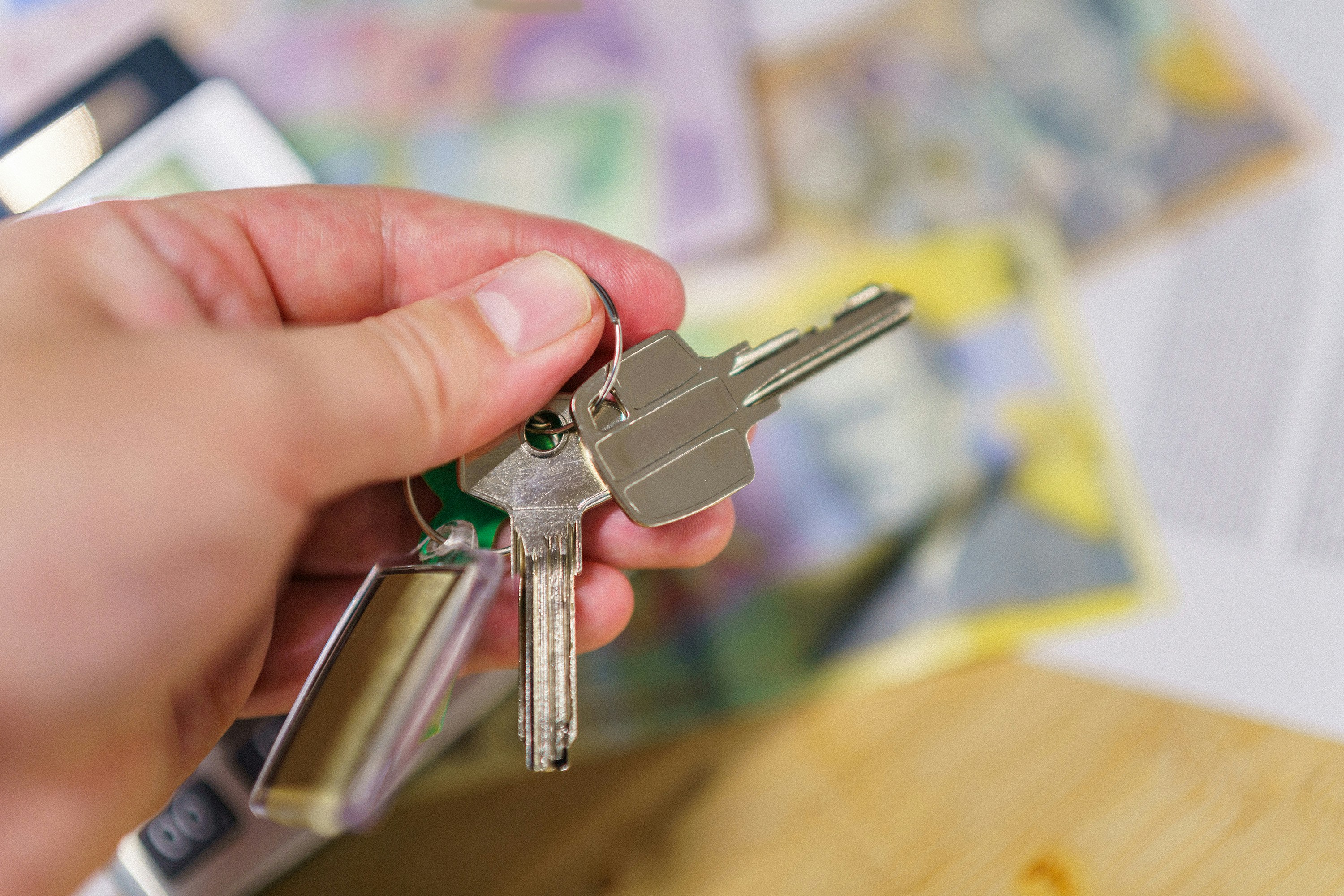
- Handover of keys: Once the settlement process is complete and ownership has officially transferred, the buyer's solicitor or conveyancer will notify them. At this point, the real estate agent will hand over the keys, and the buyer can take possession of the property.
How to Prepare for Settlement Day
Proper preparation is essential to ensure settlement day goes smoothly. Here’s how to get ready:
- Review the Contract of Sale: Before settlement day, thoroughly review the contract of sale to ensure all conditions are met. This includes ensuring finance is approved, building and pest inspections are completed (if applicable), and any agreed-upon repairs or inclusions are in place.
- Confirm final inspection: Schedule a final inspection of the property within the week before settlement to ensure everything is as agreed. This allows you to check that the property is in the condition stated in the contract and that any negotiated repairs have been completed.
- Arrange payment of Land Transfer Duty: Ensure you have the funds available to cover land transfer duty (stamp duty) and other expenses. In some cases, your lender can arrange this payment as part of the settlement process. It's vital to confirm that this has been organized well in advance.
- Organise a conveyancer or solicitor: Engage a conveyancer or solicitor to manage the legal aspects of the settlement. They will handle communication with the seller’s representatives, lodge necessary documents, and ensure a smooth transfer of ownership.
- Finalise your loan: If you are taking out a mortgage, ensure your loan is finalised before settlement day. Double-check with your lender that all documents are in order, and confirm the exact amount needed for settlement.
- Have the required documentation ready: Your conveyancer or solicitor will provide you with the necessary documents for settlement, such as transfer of land forms, adjustment statements for rates, and other legal paperwork. Ensure all these documents are signed and ready in advance.
- Organize moving and utilities: It’s a good idea to plan your move around the settlement date. Also, arrange for utilities (such as gas, electricity, and internet) to be connected at the new property from the day of settlement, so you can move in without any delays.
The settlement process is the final step before you officially own your new home. On settlement day, the transfer of ownership is completed, and all financial and legal obligations are met. Preparing for this day involves reviewing your contract, ensuring finances are in order, organising legal representation, and handling key responsibilities like paying stamp duty. With the right preparation, settlement day should be a seamless transition into homeownership. Knowing what to expect will help reduce stress and ensure a smooth settlement experience.

For many homeowners, paying off their mortgage as quickly as possible is a top financial goal. However, there are strategies available that could help you manage your finances more efficiently while still maintaining your home loan, one of which is using an offset account. In some cases, it may actually make more sense to offset your home loan rather than paying it off completely. In this article, we’ll explore why you might not want to pay off your home loan early and why offsetting your loan could be a smarter financial strategy for certain situations.


House hunting is an exciting yet complex process, often filled with anticipation as you search for the perfect home. However, it’s important to look beyond the aesthetics and make sure the property meets your needs both now and in the future. There are key aspects to consider during this process, such as the property’s structural integrity, potential for pests, and the surrounding environment.

Buying vacant land or a house and land package offers an exciting opportunity to design and build a home tailored to your needs. However, there are many important factors to consider before making your decision. Whether starting from scratch with raw land or opting for a package deal with a developer, being well-informed is crucial to avoiding costly surprises. Additionally, if you plan to build on the land you've purchased, understanding the steps involved and potential challenges is essential.